Signs Wildlife Has Moved Into Your Attic, Walls, or Crawl Space
If signs wildlife has moved into your attic, walls, or crawl space, local service providers can identify the intrusion and safely remove the animals.
Discovering signs that wildlife has moved into your attic, walls, or crawl space can be both concerning and confusing. Property owners in the area often notice unusual sounds, such as scratching, scurrying, or thumping, especially during quiet times of the day or night. Unpleasant odors, droppings, or nesting materials may also become apparent, indicating that animals like raccoons, squirrels, or bats have taken up residence in hidden spaces. Recognizing these early warning signs can help prevent further damage and health risks, making it important to understand what to look for and when to seek assistance.
When wildlife makes its way into a home, professional wildlife removal services are equipped to handle the situation safely and effectively. Local service providers can assess the extent of the intrusion, identify the types of animals involved, and implement humane removal methods. They also offer advice on how to prevent future entries, helping property owners maintain a safe and animal-free environment. Keep reading to learn more about common signs wildlife has moved into your home and how local experts can assist with removal and exclusion efforts.
- Attic Wildlife Entry - When signs wildlife has moved into your attic, local contractors can identify entry points and safely remove animals to prevent further intrusion.
- Wall Nests or Damage - If you notice signs wildlife has moved into your walls, experienced service providers can conduct humane removal and seal openings to protect your home.
- Crawl Space Activity - Evidence of wildlife in your crawl space prompts local pros to assess the area and implement effective exclusion methods.
- Unusual Noises or Odors - Hearing strange sounds or detecting odors can indicate wildlife has moved into your attic, with local experts providing removal and remediation solutions.
- Droppings or Damage - Presence of droppings or damage in hidden spaces suggests wildlife has moved into your home, and local contractors can handle safe removal and cleanup.
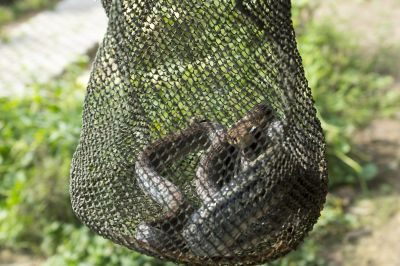
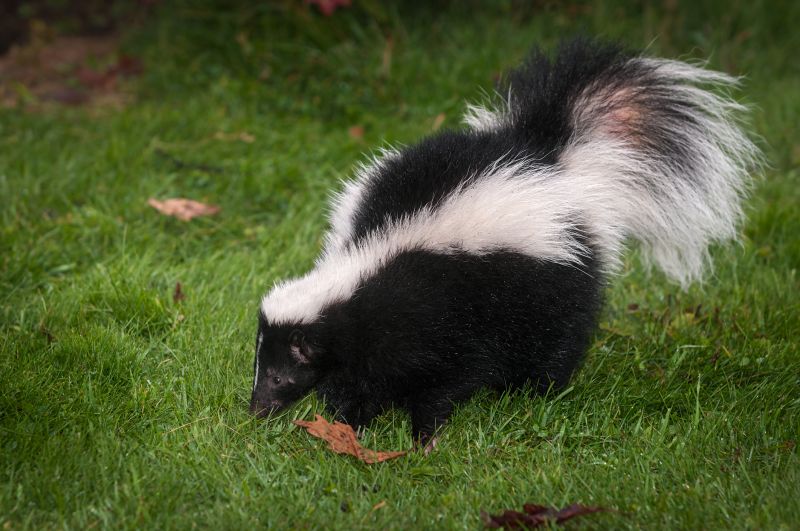
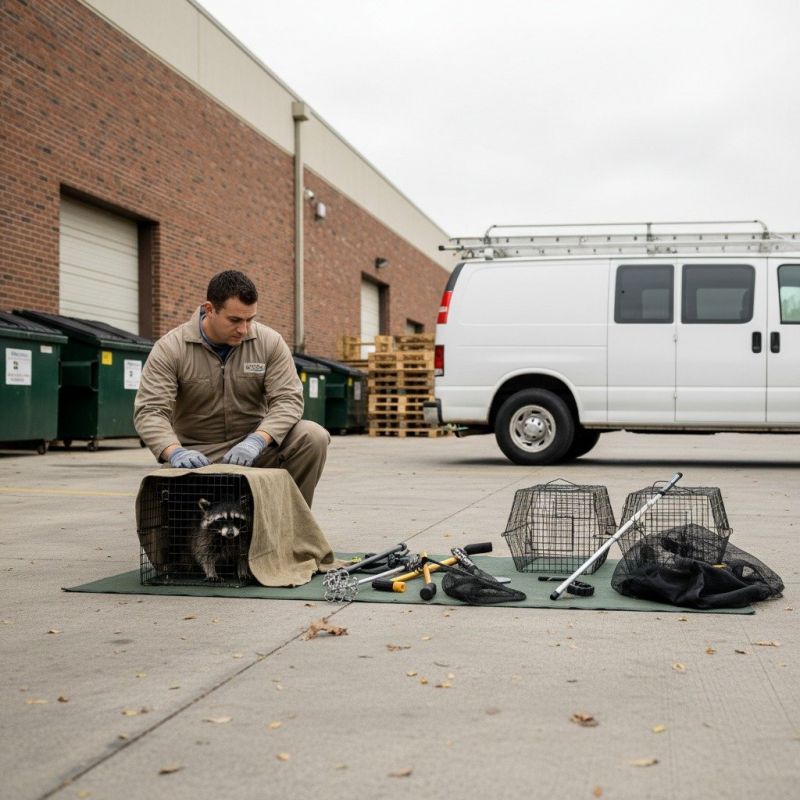
When homeowners notice unusual activity or damage within their property, they often search for signs wildlife has moved into your attic, walls, or crawl space. This concern typically arises after discovering strange noises, such as scratching, scurrying, or squeaking sounds, especially during quiet times or at night. Visible signs like droppings, chewed wiring, or nesting materials can also prompt questions about whether animals have taken up residence. Understanding these signs helps homeowners determine if wildlife has entered their home and whether professional removal services are needed to address the situation effectively.
The presence of wildlife inside a home often relates to problems like property damage, health risks, and increased noise levels. Animals such as raccoons, squirrels, bats, or rodents may seek shelter in hidden spaces to escape harsh weather or find safety from predators. These intruders can cause damage by gnawing on wiring, insulation, or structural components, which might lead to costly repairs or fire hazards. Additionally, wildlife can carry parasites or diseases, raising concerns about sanitation and health. Homeowners with plans to resolve these issues usually turn to local service providers who specialize in humane removal and property repair, ensuring the problem is handled safely and thoroughly.
Certain types of properties are more prone to wildlife invasions, especially those with accessible entry points or extensive hidden spaces. Older homes with gaps around rooflines, vents, or foundation cracks are common targets, as are homes with overgrown landscaping or nearby trees that provide easy access routes. Rural properties, cabins, or houses near wooded areas tend to experience higher incidences of wildlife intrusion. Understanding the typical property types affected helps homeowners recognize the importance of regular inspections and prompt action when signs of intrusion appear. Local contractors experienced in wildlife removal can assess these properties and recommend effective solutions to prevent future invasions.
Detecting signs wildlife has moved into your attic, walls, or crawl space is a crucial step in addressing potential infestations before they escalate. Homeowners should be attentive to sounds, droppings, damage, or unusual odors that may indicate animal activity. Once signs are identified, professional wildlife removal services can provide humane and effective solutions to eliminate the animals and secure entry points. These local service providers are equipped to handle a variety of property types and can assist in restoring safety and comfort to the home. Connecting with experienced pros ensures that wildlife issues are managed properly, reducing the risk of ongoing damage or health concerns.
Attic Insulation Replacement - professionals can identify and remove contaminated insulation caused by wildlife droppings and nesting materials, ensuring a clean and safe environment.
Pest Proofing and Sealing - contractors skilled in sealing entry points can prevent future wildlife invasions into attics, walls, or crawl spaces after signs of movement are detected.
Structural Damage Repair - experts can assess and repair structural damage caused by wildlife activity, helping to restore the integrity of walls and attic spaces.
Odor Removal Services - specialists can eliminate persistent odors resulting from wildlife droppings and nesting materials in hidden spaces like walls or crawl spaces.
Ventilation System Repairs - technicians can repair or upgrade ventilation to prevent moisture buildup and discourage wildlife from nesting in attics or wall cavities.
Wildlife Damage Restoration - service providers can handle the cleanup and restoration of areas affected by wildlife, including removal of nesting debris and repair of damaged structures.
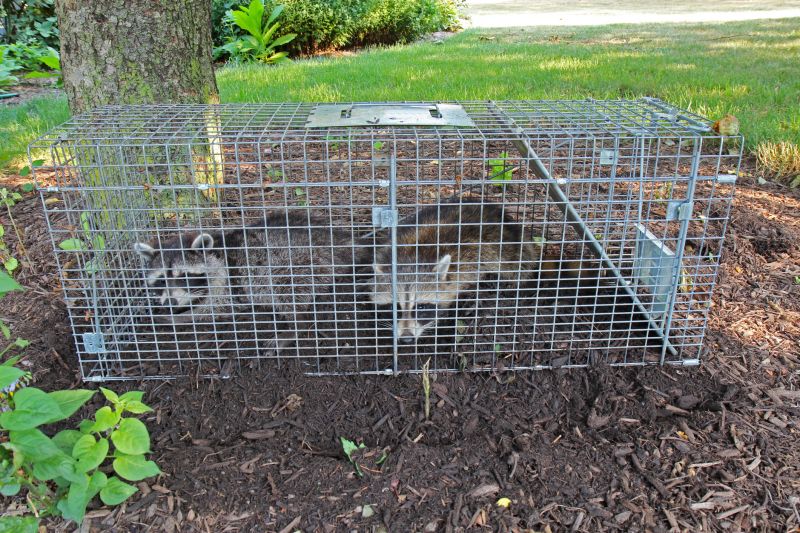
When evaluating wildlife removal services, it’s important to consider the experience local contractors have with similar projects. Wildlife can be unpredictable, and dealing with animals that have moved into an attic, walls, or crawl space often requires specialized knowledge and practical expertise. Homeowners should inquire about how long a service provider has been handling wildlife intrusion cases and whether they have experience managing the specific types of animals suspected. A contractor with a history of successful removals in comparable situations is more likely to understand the nuances involved, ensuring the process is handled efficiently and effectively.
Clear written expectations are essential when selecting a wildlife removal service. Homeowners should seek detailed information about what the job entails, including the steps involved in humane removal, sealing entry points, and any follow-up work needed to prevent future intrusions. Transparent communication about scope, procedures, and responsibilities helps establish a mutual understanding and reduces the risk of misunderstandings. Service providers who can clearly articulate their process in writing demonstrate professionalism and a commitment to transparency, which is valuable when addressing signs wildlife has moved into your attic, walls, or crawl space.
Reputable references and good communication are key factors to consider during the selection process. Pros who can provide references from previous clients or examples of similar projects offer insight into their reliability and quality of work. Additionally, responsive and straightforward communication throughout the inquiry process indicates a contractor’s willingness to address questions and concerns thoroughly. When homeowners feel confident in a service provider’s reputation and communication style, they can better trust that the wildlife removal will be handled with care and professionalism, helping to resolve the issue effectively and with minimal disruption.
Property owners often search for signs wildlife has moved into your attic, walls, or crawl space when they are planning practical projects around their homes and businesses. Local pros provide Wildlife Removal services for everyday jobs and straightforward project options.
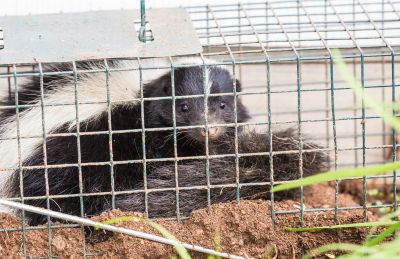
Property owners often notice unusual noises or sounds coming from their attic, walls, or crawl space, which can be early signs that wildlife has moved in. Scratching, scurrying, or squeaking noises are common indicators that animals such as raccoons, squirrels, or bats have taken up residence in hidden spaces. Additionally, there may be visible signs like chewed wiring, droppings, or nests, which can suggest that wildlife has established a presence inside the home. Recognizing these signs early can help homeowners decide when to seek assistance from local contractors experienced in wildlife removal, ensuring the animals are safely and humanely removed before they cause further damage.
Other telltale signs include foul odors or the presence of debris falling from attic vents or wall openings. Sometimes, property owners may notice paw prints or damaged insulation, indicating animals are actively living within the structure. In many cases, wildlife can be difficult to detect without a thorough inspection, which is why many choose to connect with local service providers specializing in wildlife removal. These professionals can identify the specific signs of animal intrusion and recommend appropriate steps to remove the wildlife and secure the property against future entry points.
What are common signs wildlife has moved into your attic, walls, or crawl space? You may notice scratching or scurrying sounds, droppings, or damaged insulation, which can indicate wildlife presence. Unusual odors or nests found in hidden areas are also common signs that animals have taken up residence.
How can I tell if animals are active inside my walls or attic? Signs include visible damage to walls or rooflines, persistent noises especially at night, and the presence of debris or nesting materials in vents or attic openings. Local contractors can inspect for these indicators and confirm wildlife activity.
What should I do if I find signs of wildlife in my home? It’s recommended to contact experienced wildlife removal service providers who can assess the situation, safely remove the animals, and secure entry points to prevent future infestations.
Are there specific animals that commonly move into attics, walls, or crawl spaces? Yes, animals such as raccoons, squirrels, bats, and mice are frequently found nesting in these areas, often seeking shelter or warmth during certain seasons.
Can wildlife presence cause damage to my home? Yes, animals can cause structural damage by chewing on wires, insulation, or wood, and their droppings can create unsanitary conditions. Local service providers can help address these issues and prevent further harm.
Identify entry points - inspecting your home for small openings can help determine how wildlife is gaining access to your attic, walls, or crawl space, guiding the work of local contractors.
Monitor for signs of activity - listening for scratching, scurrying, or other noises can alert property owners to wildlife presence, prompting professional removal efforts.
Check for droppings and damage - noticing droppings, chewed wiring, or insulation damage can indicate wildlife has moved into your space, leading to targeted removal and cleanup services.
Assess for nesting materials - finding nesting materials like leaves or twigs inside walls or attics can help identify active wildlife areas that local service providers can address.
If you are thinking about signs wildlife has moved into your attic, walls, or crawl space for a property, this guide is meant to help you understand this topic, the typical project types, and how different options might fit your plans.
When you are ready, you can use the quote form on this page to share a few details about your project. From there, local pros can review the basics and follow up with options that match what you have in mind.