How Small Animals Impact Commercial Buildings and Business Operations
Commercial small animal removal professionals can help protect buildings and business operations by safely eliminating pests that disrupt daily activities and cause damage.
Understanding how small animals impact commercial buildings and business operations is essential for property owners seeking to maintain a safe and efficient environment. Small animals such as rodents, squirrels, and birds can cause significant disruptions, including structural damage, contamination, and health risks. Recognizing the signs of an infestation early can help prevent costly repairs and operational setbacks. Local contractors specializing in small animal removal are equipped to assess the situation, identify entry points, and implement effective solutions to keep these pests out of commercial spaces.
For property owners in the area, exploring this topic offers practical benefits in safeguarding their investments and ensuring smooth daily operations. Small animals can compromise not only the integrity of a building but also the safety of employees and visitors. By connecting with experienced service providers, business owners can address infestations promptly and prevent recurring issues. Learning about how small animals impact commercial buildings and business operations highlights the value of professional removal services that are ready to help maintain a secure, pest-free environment.
- Commercial building inspections - local contractors assess structures for signs of small animal intrusion that could disrupt business operations.
- Rodent exclusion services - businesses experiencing rodent activity seek effective removal and sealing to prevent ongoing issues.
- Bird control solutions - facilities facing bird infestations work with pros to implement humane deterrents and removal methods.
- Bat removal services - commercial properties with bat colonies require safe removal to prevent damage and health concerns.
- Wildlife cleanup and damage repair - after small animals cause structural or contamination issues, service providers handle cleanup and repairs.
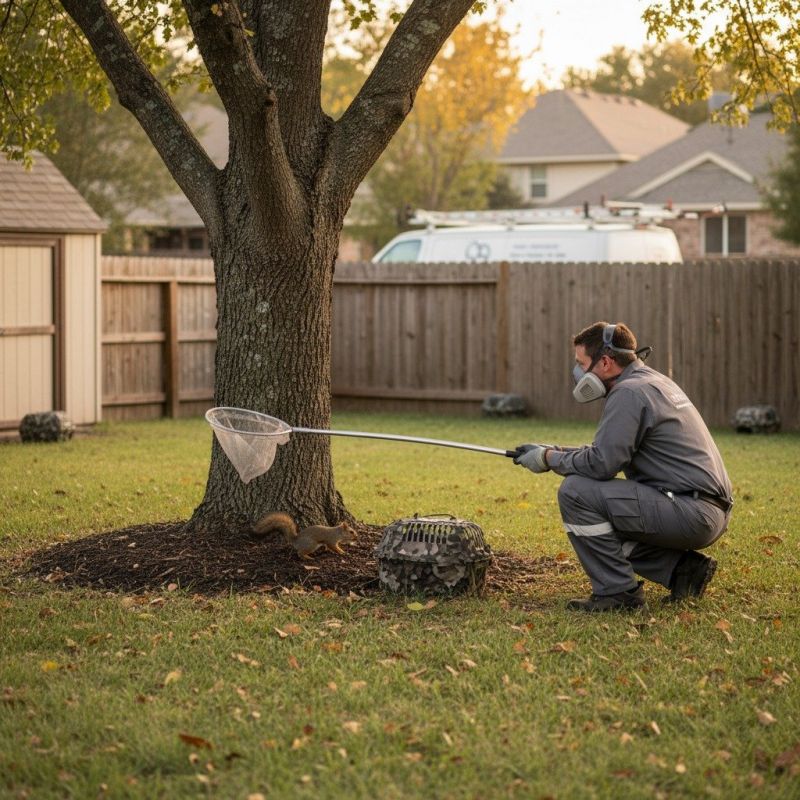
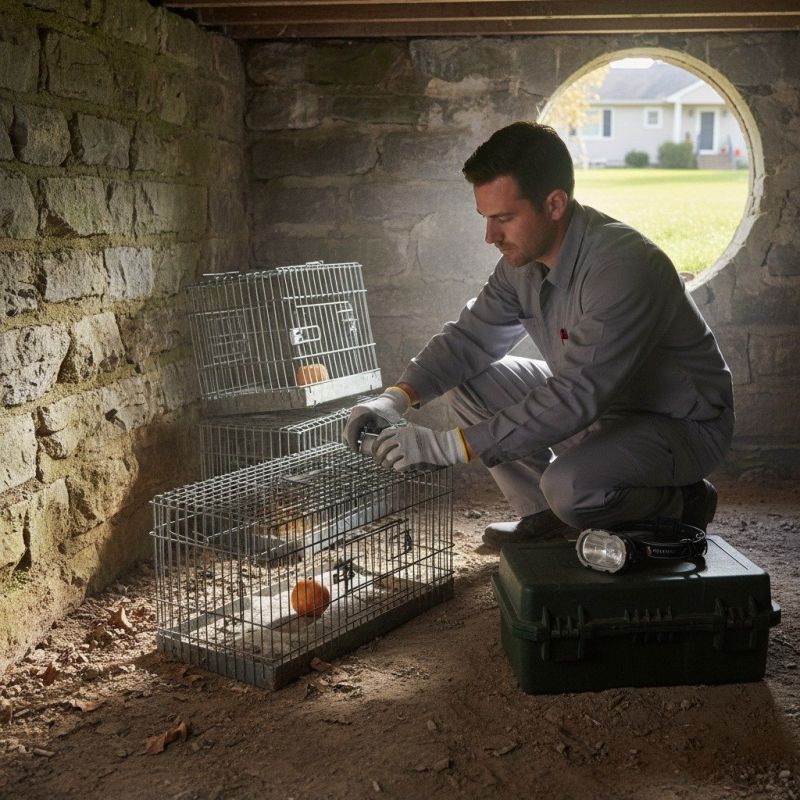
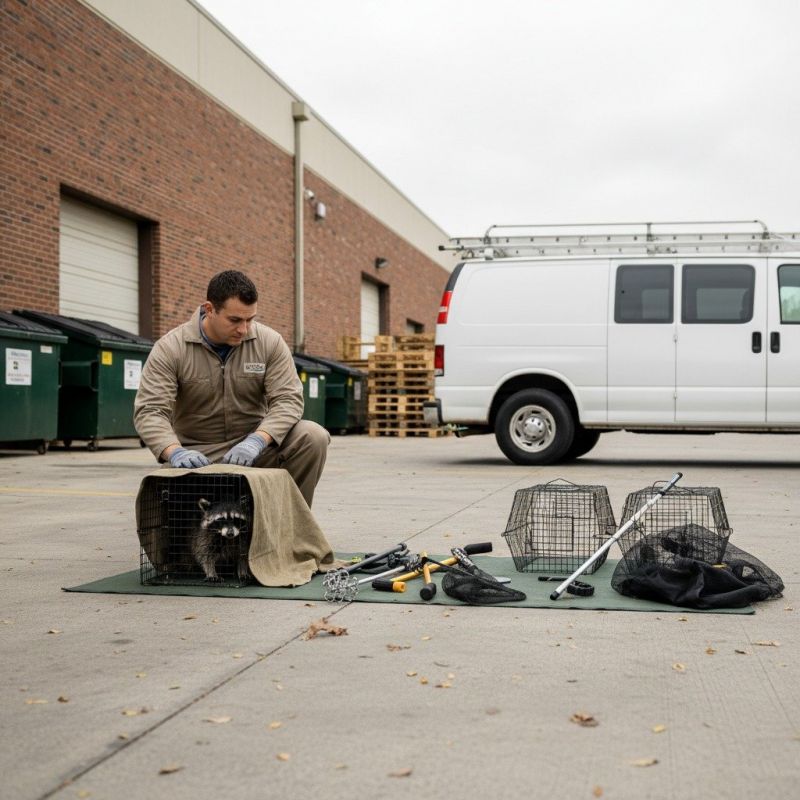
Understanding how small animals impact commercial buildings and business operations is a common concern for property owners and managers. When people search this topic, they often want to learn about the ways rodents, birds, and other small creatures can cause damage or disruptions within their facilities. This includes issues like structural harm from gnawing, contamination of food or products, and the spread of disease. Recognizing these impacts helps property owners identify potential problems early and plan effective solutions to maintain a safe, clean, and operational environment.
The problems associated with small animals in commercial settings are varied and can significantly affect daily operations. Small animals may nest in attics, walls, or storage areas, leading to structural damage or compromised insulation. Their presence can also result in contamination of food supplies, especially in food processing plants, restaurants, or grocery stores. Additionally, infestations can cause noise disturbances, create unsightly conditions, and even lead to health code violations. Many property owners consider plans for pest prevention, exclusion, or removal when addressing these issues, making it essential to work with experienced service providers who understand the unique needs of commercial properties.
Certain types of properties are more prone to issues with small animals due to their structure, location, or use. Warehouses, retail stores, restaurants, and industrial facilities often face higher risks because of their large open spaces, food storage areas, and access points. Office buildings with less secure entry points can also become targets for birds or rodents seeking shelter or food sources. Properties located near wooded areas, water sources, or urban environments with abundant food waste may experience more frequent or severe infestations. Understanding the specific vulnerabilities of these property types helps in developing targeted strategies for prevention and removal, with local service providers equipped to handle the particular challenges of each property.
For property owners and managers, connecting with experienced local contractors who specialize in small animal removal is an important step in protecting their investments. These professionals can assess the property’s vulnerabilities, identify signs of infestation, and implement effective exclusion and removal methods. Properly addressing small animal impacts not only helps prevent damage and contamination but also supports ongoing business operations by maintaining a safe and compliant environment. By working with local pros, property owners gain access to tailored solutions that fit the specific needs of their commercial space, ensuring that small animals do not become a persistent obstacle to business success.
Wildlife exclusion projects - these involve sealing entry points and installing barriers, skills that are essential in preventing small animals from infiltrating commercial buildings and disrupting operations.
Building inspection services - thorough assessments identify vulnerabilities and signs of animal intrusion, helping prevent damage and health issues related to small animal activity.
Pest control and extermination - local contractors use targeted methods to remove small animals, reducing the risk of structural damage and contamination in commercial spaces.
Damage repair and restoration - restoring areas affected by small animals, such as chewed wiring or nesting sites, is related to the planning and repair skills used in commercial animal management.
Structural reinforcement projects - strengthening building components to prevent animal entry aligns with planning skills used in managing how small animals impact business operations.
Habitat modification services - altering the surrounding environment to make it less attractive to small animals supports efforts to protect commercial properties from intrusion and damage.
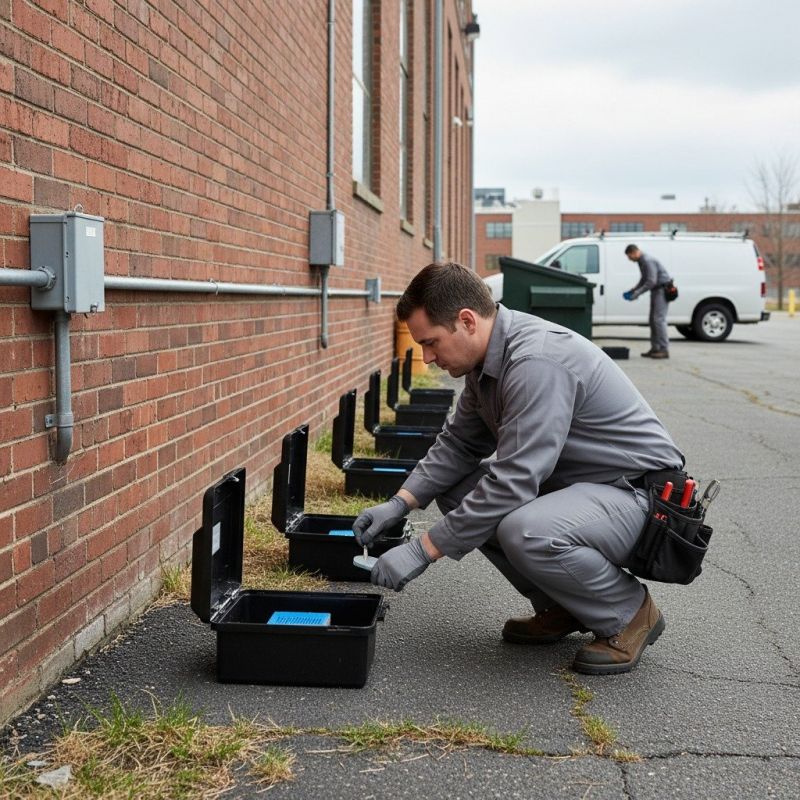
When comparing service providers for commercial small animal removal, it is important to evaluate their experience with similar projects. Contractors who have handled small animal issues in commercial settings are more likely to understand the unique challenges such environments present, such as the need for discreet and efficient removal methods that minimize disruption to business operations. Asking about their past work with businesses of comparable size or industry can provide insight into their familiarity with the specific demands of commercial properties and help determine if they have the necessary expertise to address the problem effectively.
Clear, written expectations are essential when choosing a local contractor for small animal removal services. A reputable provider should be able to outline the scope of work, including inspection procedures, removal methods, and any follow-up or prevention measures. Having these details in writing helps ensure that both parties are aligned on what will be done, reducing the risk of misunderstandings or incomplete work. It also provides a reference point for accountability and can serve as a basis for evaluating the quality of the service once the project is completed.
Reputable references and strong communication are key factors to consider when comparing local service providers. Reliable contractors should be able to provide references from previous clients, ideally from commercial properties with similar needs. This feedback can offer valuable insights into their professionalism, reliability, and effectiveness. Additionally, good communication throughout the process-such as timely responses to inquiries and clear explanations of procedures-helps ensure that the project progresses smoothly and that any concerns are addressed promptly. These qualities contribute to a positive working relationship and a higher likelihood of successful small animal removal that minimizes impact on business operations.
Property owners often search for how small animals impact commercial buildings and business operations when they are planning practical projects around their homes and businesses. Local pros provide Commercial Small Animal Removal services for everyday jobs and straightforward project options.
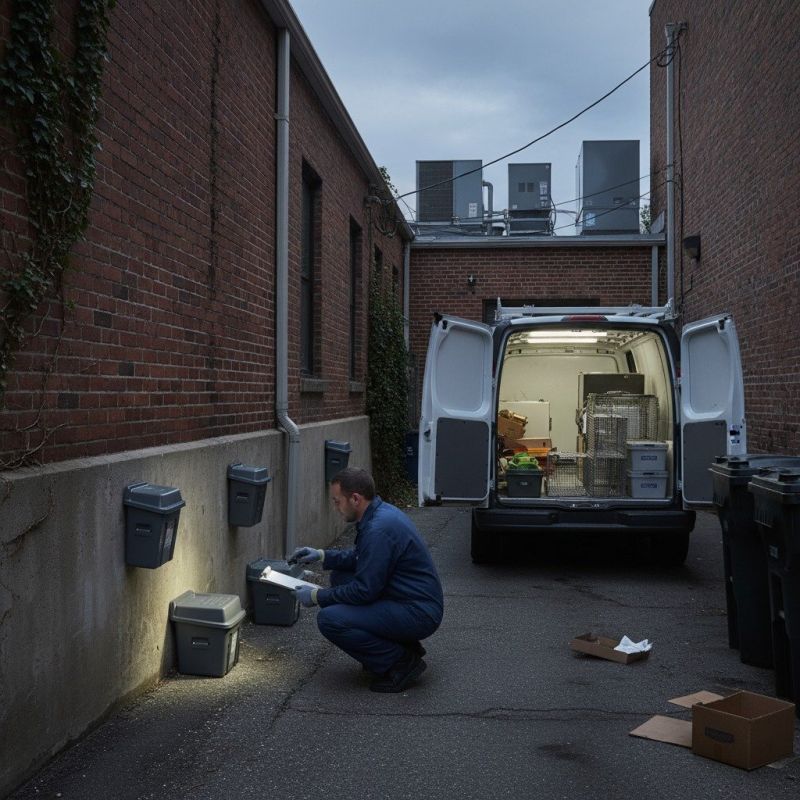
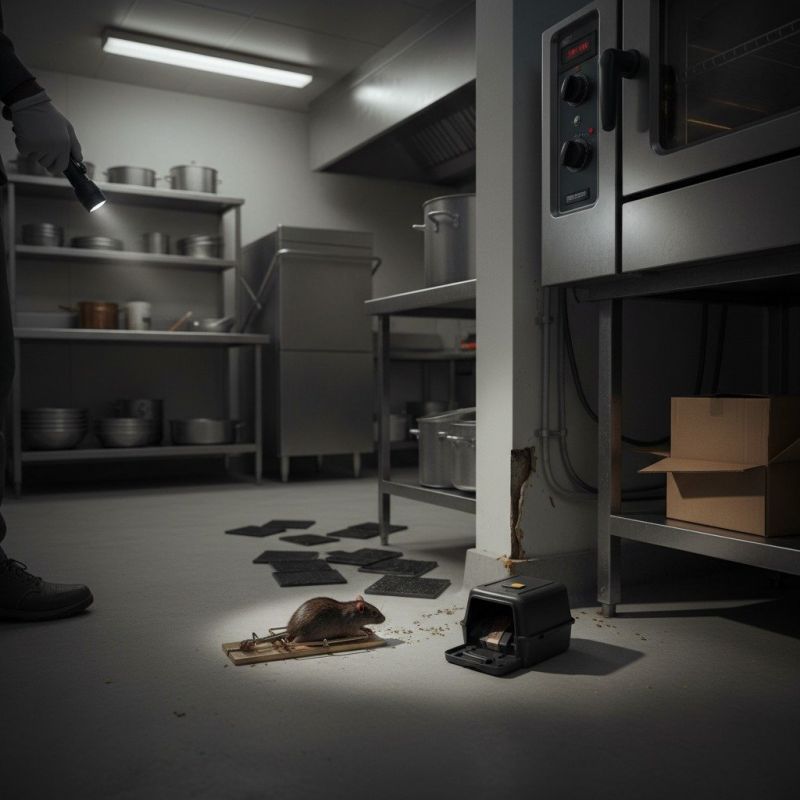
Small animals such as rodents, birds, and insects can cause significant disruptions in commercial buildings, affecting both safety and operations. For property owners, encountering issues like chewed wiring, nesting in HVAC systems, or droppings in storage areas can lead to costly repairs and potential health concerns. These everyday project situations often prompt business owners to seek assistance from local contractors experienced in small animal removal, ensuring the problem is handled efficiently and effectively.
Business operations can also be impacted when small animals gain access to critical areas, potentially contaminating food supplies or damaging infrastructure. Property owners in the area might look into commercial small animal removal services to prevent these issues from escalating. Local service providers can address the root causes of infestations, helping maintain a clean and safe environment that supports smooth daily operations without unexpected interruptions.
How do small animals affect the structural integrity of commercial buildings? Small animals such as rodents and birds can cause damage to building materials by gnawing on wires, insulation, and wood, potentially leading to costly repairs and compromised safety.
In what ways can small animals disrupt business operations? Small animals may create noise, droppings, and nesting sites that interfere with daily activities, reduce customer appeal, and lead to health concerns within commercial spaces.
Why is it important to remove small animals promptly from commercial properties? Timely removal helps prevent extensive damage, minimizes health risks, and ensures compliance with health and safety standards for businesses.
What types of small animals are commonly encountered in commercial buildings? Common small animals include rodents like mice and rats, as well as birds, squirrels, and sometimes bats, each capable of impacting building operations.
How can local contractors assist with small animal issues in commercial settings? Local service providers specialize in humane removal, damage prevention, and exclusion techniques to protect buildings and maintain smooth business operations.
Preventing Entry Points - property owners can work with local contractors to identify and seal small openings that animals might use to access buildings, reducing the risk of infestations.
Monitoring for Signs of Activity - regularly inspecting for droppings, nesting materials, or damage helps detect small animal issues early, allowing for prompt intervention by local pros.
Implementing Exclusion Methods - installing barriers and deterrents with the help of local service providers can keep small animals from returning after removal.
Maintaining Building Integrity - ongoing upkeep of roofs, vents, and foundation areas can prevent new entry points, supporting the effectiveness of small animal removal efforts.
If you are thinking about how small animals impact commercial buildings and business operations for a property, this guide is meant to help you understand this topic, the typical project types, and how different options might fit your plans.
When you are ready, you can use the quote form on this page to share a few details about your project. From there, local pros can review the basics and follow up with options that match what you have in mind.