Common Wildlife Problems Homeowners Face
Wildlife removal services help homeowners address common wildlife problems by safely and effectively removing animals like raccoons, squirrels, or bats with assistance from local contractors.
Homeowners in the area often encounter common wildlife problems that can impact the safety and comfort of their properties. Whether it's raccoons rummaging through trash, squirrels nesting in attics, or birds finding their way into vents, these issues are more than just nuisances-they can lead to property damage and health concerns if not addressed properly. Recognizing these signs early and understanding the typical wildlife challenges faced locally can help property owners take practical steps toward protecting their homes.
Fortunately, local service providers specializing in wildlife removal are equipped to handle these common problems efficiently and humanely. These professionals understand the behaviors and habits of local wildlife, making them well-suited to identify the source of the issue and provide effective solutions. Exploring this topic further can connect homeowners with the right resources to resolve wildlife conflicts, ensuring a safer and more secure home environment.
- Bat Removal - homeowners noticing bats roosting in attics or walls can rely on local contractors to safely and humanely remove these animals and seal entry points.
- Squirrel Exclusion - when squirrels are found nesting in chimneys or roof eaves, service providers can implement exclusion methods to prevent future infestations.
- Raccoon Control - if raccoons are digging through trash or entering attic spaces, local pros can handle removal and secure property access points effectively.
- Bird Deterrent Services - excessive bird activity on rooftops or ledges may require professional deterrent and nest removal solutions from nearby wildlife specialists.
- Skunk Relocation - homeowners dealing with skunks under decks or sheds can connect with local contractors experienced in humane removal and property protection.
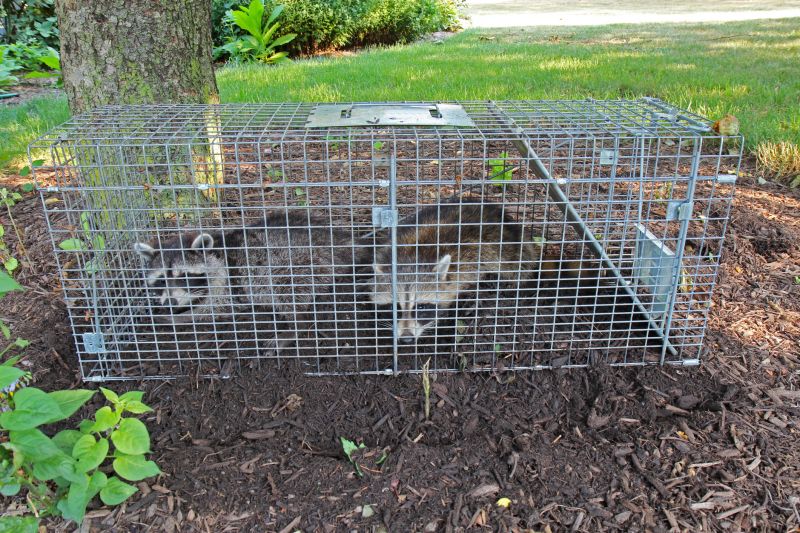
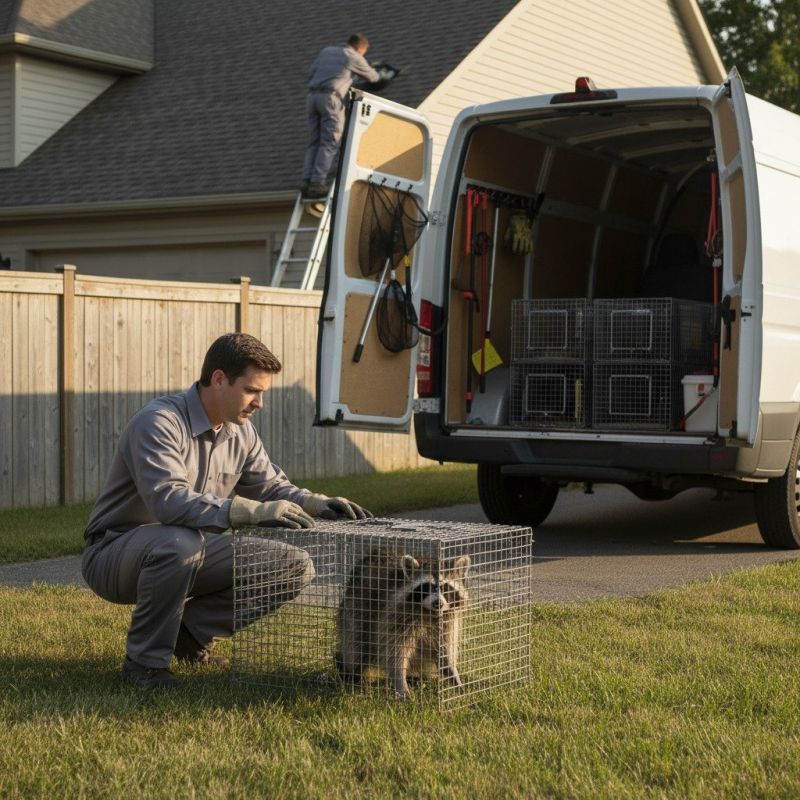
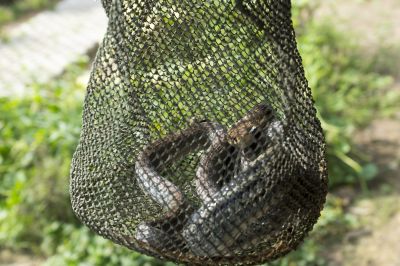
When homeowners search for information on common wildlife problems, they are usually seeking to understand the types of animals that might invade or damage their property. This can include animals such as raccoons, squirrels, bats, birds, or even smaller critters like mice and rats. Many people want to know what signs to look for to identify these issues early, such as unusual noises in the attic, droppings near entry points, or damage to insulation and wiring. Understanding these problems helps homeowners recognize when wildlife has become a concern and when professional assistance may be needed to resolve the situation safely and effectively.
These wildlife problems often relate to specific plans or solutions aimed at removal, exclusion, and prevention. Homeowners may be interested in humane removal strategies that safely relocate animals without causing harm, as well as sealing off entry points to prevent future invasions. Some issues involve ongoing monitoring or habitat modification to discourage animals from returning. Whether it’s removing a bat colony from an attic or deterring birds from nesting on a porch, these projects require tailored approaches that address the root cause of the problem. Local service providers specializing in wildlife removal can help develop and implement these plans, ensuring the property remains protected.
The types of properties most commonly affected by wildlife problems include residential homes, especially those with accessible attics, chimneys, or rooflines, as well as garages, sheds, and other outbuildings. Older homes or properties with gaps in the exterior siding, vents, or foundation are more vulnerable to animal entry. Rural or semi-rural properties, farms, and properties near wooded areas tend to experience higher incidences of wildlife encounters due to their proximity to natural habitats. Regardless of property size or location, understanding the specific wildlife challenges faced can help homeowners determine when professional assistance is necessary to address the problem effectively.
Addressing common wildlife problems involves more than just removing animals; it also includes designing long-term solutions to prevent future issues. Local contractors who specialize in wildlife removal can assess the property, identify vulnerable points, and recommend appropriate exclusion measures. They often handle both the humane removal of animals and the installation of barriers to block access points. By working with these service providers, homeowners can better understand the scope of their wildlife issues and develop comprehensive plans that fit their specific property needs. This proactive approach helps maintain a safe, animal-free home environment while reducing the risk of recurring wildlife problems.
Gutter and attic insulation projects - these tasks often require knowledge of wildlife entry points and how animals access homes, making them similar to wildlife removal in planning and execution.
Bird deterrent system installations - installing bird spikes or netting involves understanding animal behaviors and securing property access points, paralleling wildlife exclusion efforts.
Roof repair and sealing services - sealing gaps and repairing damaged roofing helps prevent wildlife from entering, requiring similar skills in inspection and damage assessment.
Exclusion fencing and barrier installation - setting up barriers to keep animals out involves planning and tools comparable to wildlife exclusion methods.
Pest control and infestation management - managing pests often overlaps with wildlife control, especially when dealing with animals that invade living spaces.
Home inspection for structural vulnerabilities - identifying entry points and weaknesses aligns with wildlife removal strategies to protect homes from animal intrusions.
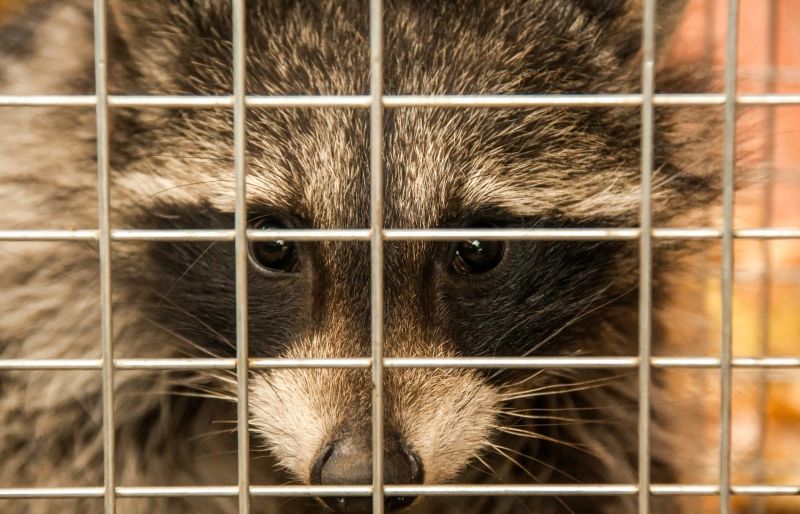
When evaluating wildlife removal service providers for common wildlife problems, it is important to consider their experience with similar projects. Homeowners should inquire about how long a contractor has been handling wildlife issues comparable to their own, such as raccoon infestations, squirrel entry points, or bird nesting. An experienced service provider is more likely to understand the nuances of different species and the most effective methods for resolving these issues efficiently. This familiarity can help ensure that the solution is appropriate for the specific problem and reduces the likelihood of recurring issues.
Clear written expectations are essential when comparing local contractors. Homeowners should seek detailed descriptions of the services offered, including the scope of work, methods used, and any follow-up procedures. Having this information in writing helps prevent misunderstandings and provides a reference point throughout the project. Reputable service providers will be transparent about what is included and what is not, allowing homeowners to make informed decisions based on their specific wildlife concerns.
Good communication and reputable references are key indicators of a reliable wildlife removal contractor. Homeowners should look for service providers who are responsive and willing to answer questions thoroughly. Asking for references or reviews from past clients can provide insight into the contractor’s professionalism, quality of work, and ability to handle wildlife problems effectively. Trustworthy contractors tend to prioritize clear communication and maintain positive relationships with their clients, which can make the process of resolving common wildlife problems smoother and less stressful.
Property owners often search for common wildlife problems homeowners face when they are planning practical projects around their homes and businesses. Local pros provide Wildlife Removal services for everyday jobs and straightforward project options.
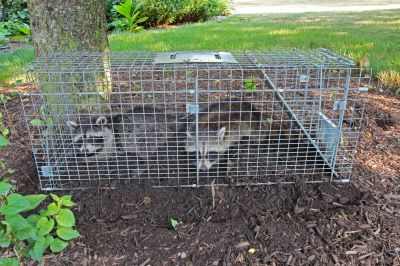
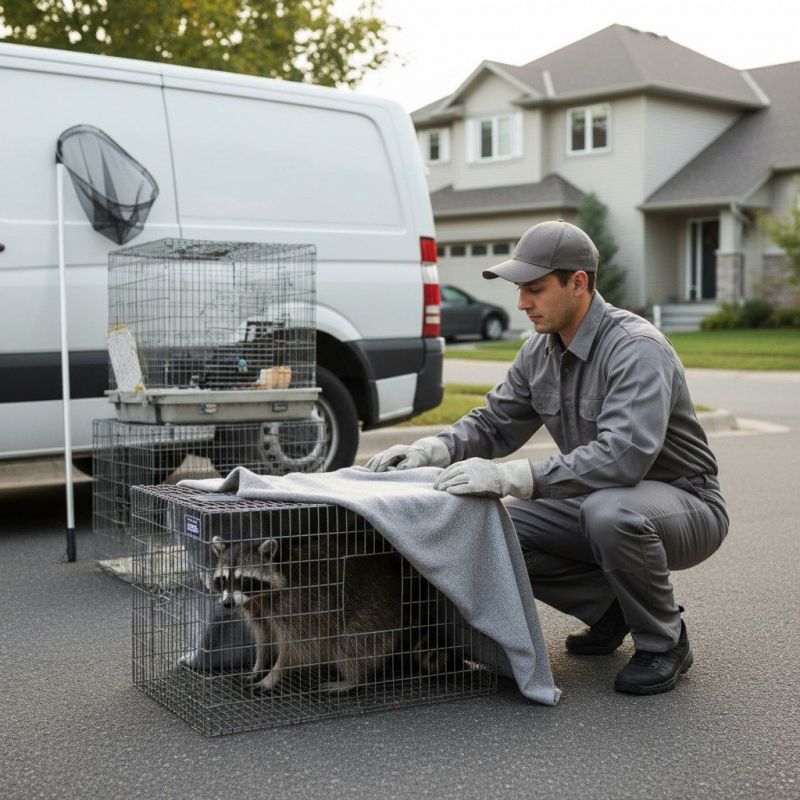
Many homeowners encounter common wildlife problems that can disrupt daily life and threaten property integrity. Issues such as raccoons rummaging through trash, squirrels nesting in attics, or birds building nests in vents are frequent concerns that prompt property owners to seek professional assistance. These situations often arise unexpectedly, especially during certain seasons when wildlife activity increases, making it important to find effective solutions quickly. Local contractors specializing in wildlife removal can assess the situation, identify the species involved, and implement humane and efficient methods to resolve these issues.
Property owners looking for help often turn to local service providers to handle wildlife intrusions safely and effectively. Whether it's dealing with rodents, bats, or other animals that have entered the home or property, trained wildlife removal experts can provide tailored solutions to prevent future problems. Connecting with experienced local contractors ensures that the job is handled properly, reducing the risk of damage or recurring visits from wildlife. This approach helps homeowners maintain a safe, animal-free environment while addressing common wildlife problems efficiently.
What are common wildlife problems homeowners face? Homeowners often deal with animals such as raccoons, squirrels, bats, and birds entering their properties, causing damage or health concerns. Local contractors can help identify and address these issues effectively.
How can wildlife problems impact a home? Wildlife intrusions can lead to property damage, contamination, and health risks due to droppings, nesting materials, or bites. Professional wildlife removal services can safely resolve these issues.
What signs indicate wildlife may be inside a home or attic? Signs include strange noises, droppings, chewed wires or insulation, and unpleasant odors. Local service providers can assess and remove the animals safely.
Are wildlife problems a safety concern for homeowners? Yes, wildlife such as bats or raccoons can carry diseases or become aggressive if cornered. Experts can handle removal and ensure safety during the process.
How do wildlife removal services prevent future wildlife problems? These services often include sealing entry points and implementing deterrents to prevent animals from returning, helping homeowners maintain a wildlife-free property.
Seal Entry Points - Identifying and sealing gaps or holes in the building’s exterior can prevent wildlife from entering the home. Local contractors can assist with repairs to keep animals out of attics and walls.
Install Wildlife-proof Barriers - Installing barriers around vents, chimneys, and roof openings helps block common access points for animals. Service providers can recommend effective exclusion devices for long-term protection.
Remove Attractants - Clearing away food sources like bird feeders or unsecured trash can reduce the likelihood of wildlife encounters. Professionals can advise on proper storage and removal methods.
Inspect and Repair Damage - Checking for chewed wiring, insulation damage, or structural wear caused by wildlife can prevent further issues. Local pros can handle repairs to restore safety and integrity.
If you are thinking about common wildlife problems homeowners face for a property, this guide is meant to help you understand this topic, the typical project types, and how different options might fit your plans.
When you are ready, you can use the quote form on this page to share a few details about your project. From there, local pros can review the basics and follow up with options that match what you have in mind.